Liftonus
Strategic Planning for Large-Scale Lifting Projects
Strategic planning is a cornerstone of successfully managing large-scale lifting projects, where the stakes are high and the margin for error is slim.
These projects, often involving the movement and installation of massive structures or machinery, require meticulous preparation and precision.
The complexities of coordinating various elements such as equipment, personnel, and compliance with safety regulations demand a comprehensive approach.

Today we’ll look at the critical steps and considerations in the strategic planning process for large-scale lifting operations, aiming to highlight how thorough planning can mitigate risks, enhance efficiency, and ensure the successful completion of ambitious projects.

Understanding Project Requirements
The initial step in planning a large-scale lifting project is a comprehensive assessment of the project's requirements.
This involves understanding the dimensions, weight, and the specific nature of the items to be lifted, as well as the environmental conditions at the site.
Each factor plays a crucial role in determining the project's scope and the strategies that will be employed.
For instance, the weight and dimensions of the load dictate the type of crane and rigging equipment needed, while environmental factors such as wind, temperature, and the physical conditions of the site can influence operational decisions. It is essential to gather accurate and detailed information about these elements to ensure that the selected lifting solutions are appropriate and safe.
Setting clear and measurable objectives is vital. These objectives should meet with the overall goals of the project, whether they involve minimising downtime, meeting strict deadlines, or ensuring zero incidents in terms of safety.
By defining these goals early in the planning process, project managers can develop a more focused and effective lifting strategy that addresses all critical requirements and challenges.
Telephone:
01377 310435

Site Analysis and Preparation
A critical component of strategic planning for large-scale lifting projects is the comprehensive analysis and preparation of the site.
This stage involves a detailed inspection to identify any physical or logistical challenges that could impact the lift, such as ground conditions, space limitations, or surrounding infrastructure. Effective site preparation ensures that these factors are addressed well before the lifting operations commence.
First, ground conditions are assessed to determine the suitability for heavy equipment; this may include evaluating the soil stability and the presence of underground utilities.
Space constraints are also important, especially in urban areas or busy industrial sites where the maneuverability of large cranes is limited. Planners must ensure there is adequate space for the equipment to operate safely and efficiently.
In addition, the proximity of power lines, buildings, and public roadways requires careful consideration to avoid accidents and ensure compliance with safety regulations. Temporary road closures or the installation of safety barriers might be necessary to create a secure environment for the lift.
Proper site preparation also involves setting up access routes for transporting the heavy equipment and materials to the site. This might include reinforcing roads or building temporary access paths capable of handling heavy loads.
By thoroughly analyzing and preparing the site, project managers can mitigate risks, prevent costly delays, and lay the groundwork for a successful execution of the lifting project.
Telephone:
01377 310435
Selection of Appropriate Lifting Equipment
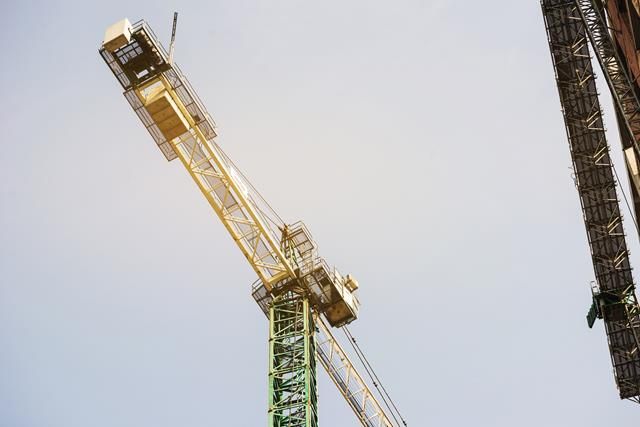
Choosing the right lifting equipment is pivotal to the success of large-scale lifting projects.
This decision is heavily influenced by the project requirements and site conditions previously assessed.
It involves selecting cranes and other lifting machinery that not only have the capacity to handle the load but are also suitable for the specific environmental and spatial constraints of the project site.
The criteria for selecting the appropriate equipment include load capacity, reach, mobility, and adaptability to site conditions.
For instance, in tight urban environments, mobile cranes with versatile configurations and smaller footprints might be necessary. In contrast, for lifting extremely heavy or oversized loads, such as in industrial settings or for bridge constructions, larger cranes with higher load capacities and advanced stabilization features are required.
It's crucial to consider the equipment's compliance with regulatory standards and its environmental impact, especially for projects in sensitive or densely populated areas. Opting for equipment with lower emissions and quieter operation can facilitate smoother regulatory approval and minimize disruption to nearby communities.

Case Study: A Successful Large-Scale Lifting Operation - Hinkley Point C
Hinkley Point C, one of the UK's most significant and ambitious nuclear power projects in recent decades, illustrates the complexities and the strategic planning required for large-scale lifting operations.
Telephone:
01377 310435
This project, aimed to be the first new nuclear plant in the UK in over 20 years, involves numerous lifting tasks involving extraordinarily heavy components.
One of the most notable lifting operations at Hinkley Point C involved using 'Big Carl', the world's largest crane, to lift a 347-tonne steel liner ring onto the reactor, adding 17 meters to the structure's height.
This operation was critical not only because of the weight and size of the load but also because it required incredible precision to ensure the safety and structural integrity of the nuclear facility.
The successful implementation of such a critical lift was the result of meticulous strategic planning, which included risk assessments, detailed site analyses, and the selection of appropriate lifting technology.
This operation highlights the importance of integrating advanced lifting solutions and expert engineering assessments to manage the risks associated with high-stakes lifting tasks.




I used Steven Wilson’s SME lifting service recently and I have to say that I am thrilled with the service received. We had a lot of stuff that was in quite a state and there was no safe way to lift it without risking injury or damage. As a result, I knew that I had to bring in a professional lifting service for the job - and I am very glad that I did!
Steven was diligent from the outset with some effective preparation and planning before getting to work. He was incredibly meticulous while working and made sure that our site was safe and clear of hazardous items. He even managed to streamline some of our existing practices so that they were safer and easier for my team. What’s more, he didn’t impact our daily operations in the slightest by working to our schedule.
I can wholeheartedly recommend Steven's SME lifting service. From start to finish, he embodied professionalism and went the extra mile to get the job done. I only wish that we had used his services sooner - we could have streamlined how we work much faster and saved ourselves a lot of grief.
We used lift on us to transport, install and commission a silo unit into a site with very restricted road access and confined work area.
We were advised to use a number of expensive and complex techniques until we spoke with Steve who came up with a very cost effective and simple solution.
Before the silo was delivered all involved were fully briefed and instructed on the installation procedure and safety protocol and any issues were discussed and resolved prior to the work been commenced.
The installation and commissioning went smoothly without delays, I would recommend using lift on us to anyone looking for a highly professional organisation.
Steven Wilson's services have been a game-changer for us. Getting our lifting solutions right has been a struggle for years now because we've had injuries in and around the workplace that make getting properly insured a nightmare, not to mention dealing with the struggle of helping employees through the time they spend injured!
All of our work has become significantly more efficient since Steven worked with our team. Our processes were overhauled and everything has been made far safer throughout. Where we previously ran a range of risks without even realising it, Steven coming in encouraged us to transition our working methods and procedures to a much safer state of affairs. If you've been struggling with your procedures, I'd 100% recommend contacting Steven.
Not only are his services great, but working with Steven is an absolute pleasure. He is a very forward-thinking professional with a focus on the task at hand, and he achieves this all whilst working with a smile.
His time with us passed by in a flash and, despite our issues being solved, it was a shame he had to go.
I highly recommend these services!

